

High Quality Gadgets That Last: A 2026 Buying Guide
Table of Contents
- Why Most Gadgets Fail Within Two Years (And How to Spot the Exceptions)
- What Defines High Quality Gadgets That Last?
- Durable Tech Brands That Prioritize Longevity
- How to Choose Long-Lasting Electronics: A Practical Checklist
- Gadgets With Best Warranty: What Coverage Actually Means
- The Repairable Electronics Guide: Right to Repair and Modular Design
- Comparison Table: Evaluating Long-Term Value Across Categories
- Final Verdict: Invest in Quality, Not Quantity
- Frequently Asked Questions
Last Updated: September 9, 2026
Why Most Gadgets Fail Within Two Years (And How to Spot the Exceptions)
The average consumer electronics purchase dies an early death, not from heavy use, but from planned fragility: weak hinges, non-replaceable batteries, and software abandoned shortly after launch. Finding high quality gadgets that last requires shifting your focus from spec sheets to structural integrity and long-term support. At Tech Meets Trend, we offer a thoughtfully curated selection of unique, high-quality gadgets and innovative lifestyle products, all offered at competitive prices.
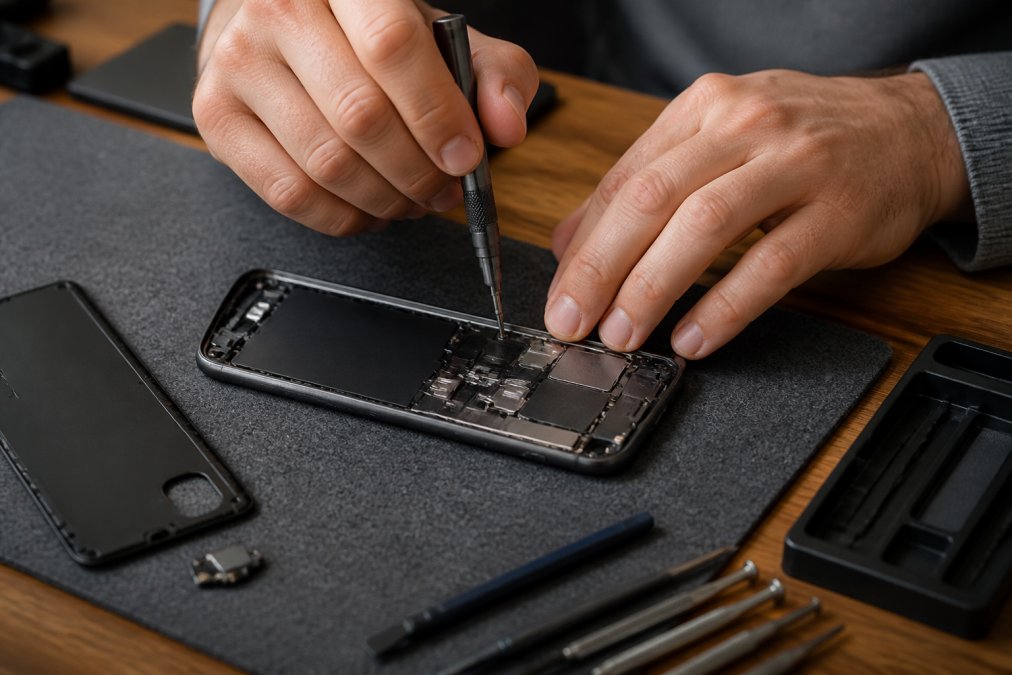
The most telling indicator of longevity is often invisible at the point of sale. Look for devices with modular construction, standardized screws, and components that can be sourced independently. Avoid sealed units where the battery is glued to the motherboard, as this single design choice dictates the lifespan of the entire product. A device built for disassembly signals a manufacturer confident in its internal architecture and committed to a longer product lifecycle.
What Defines High Quality Gadgets That Last?
High quality gadgets are defined by three non-negotiable pillars: material composition, thermal management, and firmware commitment. Aluminum and magnesium alloy chassis resist daily wear better than glossy plastics, while proper heat dissipation prevents the internal degradation that silently kills performance over time. Yet the most overlooked pillar is software, a device is only as durable as the updates it receives.
Manufacturers that publish clear timelines for operating system upgrades and security patches demonstrate a commitment to longevity. Check the product's support page before purchasing. If a company does not disclose its update policy, assume the device will be obsolete within eighteen months. The real cost of a gadget includes the years of usable service it provides, not just the checkout price.
Durable Tech Brands That Prioritize Longevity
Several manufacturers have built their reputations on extended lifecycles rather than annual refresh cycles. These durable tech brands focus on industrial design that resists trends, offering products with interchangeable parts and user-replaceable batteries. They tend to publish detailed maintenance guides and sell spare components directly to consumers, a practice that dramatically extends the usable life of their hardware.
Framework Laptop has made modularity its core identity. The Framework Laptop 16 allows users to swap the mainboard, display, battery, and even the GPU module with standard Phillips-head screws. The company publishes detailed step-by-step repair guides on its website and sells every replacement part individually, from a $79 battery to a $19 hinge cover. This approach directly counters the industry norm of glue-sealed chassis and proprietary connectors.
Fairphone takes a similar approach in the mobile space, though its availability in the United States is limited. The Fairphone 5 is designed with a user-replaceable battery that pops out with a simple latch, and the modular camera modules and USB-C port can be replaced in under five minutes with basic tools. The company commits to eight years of software updates and security patches, a timeline that exceeds most mainstream Android manufacturers by several years.
ThinkPad laptops from Lenovo have long been the standard for business durability. The T-series and X-series models undergo MIL-STD-810H military-grade testing for temperature extremes, vibration, and humidity. More importantly for longevity, Lenovo publishes Hardware Maintenance Manuals for every model, detailing how to replace the keyboard, battery, memory, and storage. The keyboards on modern ThinkPads are designed for a 20-million-cycle lifespan, and replacement units cost around $40.
Steam Deck from Valve demonstrates that even gaming hardware can prioritize repairability. The handheld console uses standard M.2 2230 NVMe storage, a user-replaceable 40Wh battery, and Hall-effect joysticks that resist drift far longer than traditional potentiometer-based sticks. Valve partnered with iFixit to sell genuine replacement parts and publishes official teardown guides. The company's Linux-based SteamOS receives regular updates independent of hardware generations, ensuring the device remains functional and secure years after purchase.
When evaluating a brand, examine their approach to the regulatory environment for consumer repairability, as policy shifts are pushing manufacturers toward more sustainable designs. Brands that proactively embrace these standards, rather than resisting them, are typically safer investments. They understand that a customer who can repair a device is a customer who will buy the next generation, whereas a customer forced to replace a broken device often switches allegiances.
A useful heuristic is to check if the manufacturer sells spare parts directly to consumers on their own website. If you must go through a third-party repair shop or an unauthorized parts dealer, the company has not fully committed to the repairability ethos. Brands that publish their own repair documentation and sell their own components are signaling confidence in their product's longevity that budget-focused competitors rarely match.
How to Choose Long-Lasting Electronics: A Practical Checklist
Choosing long-lasting electronics begins with a disciplined assessment of your actual needs versus marketing hype. Start by identifying the core function you require, then select the device with the fewest unnecessary features. Complexity breeds failure points; a gadget with fifty functions often performs none of them reliably over the long term.
- Battery Accessibility: Can the battery be replaced with standard tools, or is it permanently sealed?
- Port Selection: Does the device offer standard connectivity ports, or does it rely on proprietary cables and adapters?
- Repair Documentation: Are official service manuals available, or are repairs restricted to authorized centers?
- Material Stress Points: Are hinges, ports, and buttons reinforced with metal brackets rather than thin plastic?
- Discontinued Support: How long has the current model been on the market, and is a successor already announced?
A common mistake is prioritizing raw performance specifications over build integrity. A processor that is ten percent faster matters little if the chassis cracks under normal pressure. Prioritize structural rigidity and the quality of the user interface, as these factors dictate daily satisfaction and long-term durability.
Gadgets With Best Warranty: What Coverage Actually Means
The gadgets with best warranty coverage offer more than just a replacement period; they offer a promise of serviceability. A standard one-year warranty is the industry baseline, but the most durable products often come with extended coverage that includes accidental damage or offers expedited replacement units. Scrutinize the warranty terms for exclusions regarding battery health and normal wear.
Understanding the difference between a warranty and a service plan is crucial. A warranty covers manufacturing defects, while a service plan covers the cost of repairs. For high-ticket items, a warranty that includes a repair option is often superior to one that offers a replacement, because it indicates the manufacturer has a vested interest in maintaining the product's ecosystem. Always register your product immediately after purchase to activate the coverage.
The Repairable Electronics Guide: Right to Repair and Modular Design
This repairable electronics guide centers on a fundamental principle: modularity is the ultimate feature. Devices designed with standardized components, such as M.2 storage drives and socketed memory, allow for incremental upgrades that keep the system relevant for years. This design philosophy directly counters the culture of planned obsolescence and reduces electronic waste significantly.
Most mainstream gadget reviews never mention repairability scores, yet this single metric predicts a product's usable lifespan better than any benchmark. The iFixit repairability scoring system, which rates devices from 0 to 10 based on disassembly difficulty, part availability, and repair documentation, offers a concrete starting point. A smartphone scoring 4 out of 10, such as many sealed flagship models, will typically require professional intervention for a battery swap. A device scoring 9 or 10, such as the Fairphone 5, allows a user with a $15 toolkit to replace the battery in under two minutes.
The push for Right to Repair legislation across various states has forced manufacturers to reconsider their design strategies. Massachusetts voters approved a right-to-repair law for automobiles in 2020, and similar bills have been introduced in more than 25 states covering electronics. The Federal Trade Commission has publicly stated its support for repair restrictions enforcement, and in 2021 the agency announced it would ramp up investigations into manufacturers that illegally restrict repairs. New York's Digital Fair Repair Act, which took effect in 2023, requires electronics manufacturers to provide documentation, parts, and tools to consumers and independent repair shops.
Beyond legislation, the practical mechanics of repairability matter more than consumers realize. Look for these specific design features when evaluating a gadget:
- Standardized fasteners: Phillips or Torx screws that any toolkit can handle, rather than proprietary pentalobe or tri-wing screws that require specialty drivers.
- Modular ribbon cables: Components connected with detachable cables rather than soldered directly to the mainboard. A broken charging port should cost $15 to replace, not $300 for a new logic board.
- Separate battery connector: A battery that connects via a push-pin or ZIF connector rather than being soldered or glued. This single feature determines whether a battery replacement is a 10-minute DIY job or a factory-only procedure.
- Socketed storage: M.2 NVMe slots for SSDs allow capacity upgrades without replacing the entire device. Many laptops now solder storage to the mainboard to save space, which permanently caps your storage ceiling.
When a device breaks, the cost of a replacement part is often a fraction of the cost of a new unit, making repair the economically rational choice for environmentally conscious buyers. A replacement battery for a MacBook Pro costs roughly $199 through Apple's self-service repair program, while a new laptop costs $1,200 or more. A replacement display module for a Framework Laptop costs around $300, versus $1,400 for a new machine. The math becomes compelling once you move past the initial purchase price.
A common pattern among durable electronics is the use of standardized battery cells. Many high-end flashlights, power tools, and portable speakers use 18650 or 21700 lithium-ion cells that are widely available from battery specialists. When a proprietary battery pack fails, you are at the mercy of the manufacturer's pricing and availability. When a device uses standard cells, you can source replacements from multiple suppliers at competitive prices for years after the original product is discontinued.
Comparison Table: Evaluating Long-Term Value Across Categories
To apply these principles across different product types, use this framework for evaluating long-term value. The categories highlight where durability investments yield the highest returns.
| Category | Primary Longevity Risk | Key Feature to Prioritize | Maintenance Frequency |
|---|---|---|---|
| Wireless Headphones | Battery degradation | User-replaceable battery cells | Every 2-3 years |
| Smart Home Hub | Software abandonment | Open-source firmware support | Update dependent |
| Mechanical Keyboard | Switch wear | Hot-swappable switch sockets | Individual switch swaps |
| Portable Power Bank | Cell cycle count | High-quality lithium cells | Replace after 500 cycles |
| Wearable Tracker | Screen delamination | Sapphire glass or reinforced display | Minimal, if protected |
Final Verdict: Invest in Quality, Not Quantity
The most sustainable approach to consumer electronics is buying fewer, better things. A single device that lasts five years is superior to three budget replacements that fail in eighteen-month cycles. This philosophy reduces your environmental footprint and lowers your total cost of ownership, as the environmental impact of e-waste disposal continues to grow as a concern.
When you are ready to upgrade, choose a source that aligns with your values. Tech Meets Trend curates a selection of unique, high-quality gadgets and innovative lifestyle products, all offered at competitive prices. Every purchase directly funds the acquisition of real estate to provide safe, stable housing for homeless individuals and families, so your investment in durable tech also builds a better world. Shop with purpose.
Frequently Asked Questions
What features define a high-quality electronic gadget?
High quality gadgets that last share specific traits: solid material composition like aluminum or reinforced glass, IP-rated water and dust resistance, modular construction that allows component replacement, and a manufacturer commitment to software updates for at least five years. Look for clear technical specifications and avoid vague marketing claims. Build quality extends beyond the exterior to include reinforced ports, quality internal antennas, and thermal management systems. These factors determine whether a device survives daily use and remains functional and secure over its entire lifespan.
How can you tell if a gadget is built to last?
Check whether the device has a user-replaceable battery or a standardized repair pathway. Review the warranty coverage length and what it includes, as a longer warranty signals manufacturer confidence. Research the brand's firmware support history to see how long previous models received updates. Physical indicators include sealed ports, reinforced cable strain reliefs, and the absence of cheap, glossy plastics that show wear. Trust independent teardown reports and hands-on reviews over spec sheets alone, since these reveal actual soldering quality and internal component sourcing.
Is it worth paying more for premium, long-lasting gadgets?
Premium high quality gadgets typically cost more upfront but deliver better total cost of ownership. A $300 device that lasts five years outperforms a $150 device replaced every 18 months. Higher prices often fund engineering choices that extend lifespan: replaceable batteries, metal chassis that dissipate heat better, and higher-grade internal components rated for more charge cycles. However, price alone does not guarantee longevity. Evaluate the specific durability features and warranty terms rather than assuming a higher price tag automatically means a longer usable life.
Which brands are known for manufacturing durable tech?
Several durable tech brands have built reputations on longevity rather than annual refresh cycles. Framework stands out for modular laptops with user-replaceable components. Fairphone leads in repairable smartphone design. Among mainstream options, Apple and Samsung now offer seven years of software updates on newer models. For audio equipment, brands like Sennheiser and Shure sell professional-grade products that remain serviceable for decades. The common thread is transparent repair documentation, accessible spare parts, and published support windows rather than just marketing claims about premium materials.
What is the best gadget in the world?
There is no single best gadget because the right choice depends on your workflow, environment, and priorities. The most valuable device is the one that integrates into your daily routine and remains repairable and supported over time. For most people, a smartphone with a long software support commitment, removable battery, and quality display delivers the most daily utility. Look for high quality gadgets that last in the categories you actually use rather than chasing novelty. A durable power bank or noise-canceling headphones often prove more valuable than a flashy device that becomes obsolete quickly.
How does material quality impact the lifespan of a gadget?
Material composition directly affects structural integrity and thermal performance. Aluminum and magnesium alloys dissipate heat better than plastic, which prevents internal component stress and battery degradation. Gorilla Glass or sapphire screens resist scratches and micro-fractures that weaken displays. Internal connectors matter equally: gold-plated contacts resist corrosion, while reinforced USB ports survive thousands of insertion cycles. Material quality also influences repairability, since glued assemblies are harder to open than devices held by standard screws. These choices determine whether a device survives drops, temperature changes, and years of regular use without performance loss.
Choosing durable gadgets is a challenge against a market designed for disposal. Tech Meets Trend makes that choice easier by offering a curated marketplace of high-quality items that prioritize longevity and ethical impact. Get started with Tech Meets Trend and find electronics built to last, knowing your purchase provides permanent housing solutions and stability for those in need.